

Introduction
The request-response cycle is a basic method of communication between computers in a network. It is used in a variety of applications, including the World Wide Web, email, and file sharing.
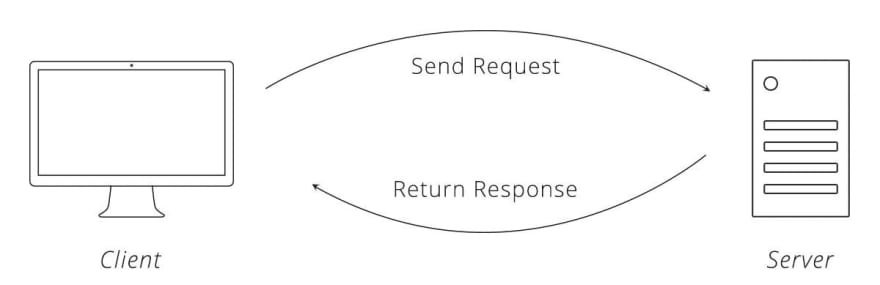
In the request-response cycle, one computer, called the client, sends a request to another computer, called the server. The server then processes the request and sends back a response. The client then receives the response and takes appropriate action.
Steps in the Request-Response Cycle
The request-response cycle typically consists of the following steps:
- The client sends a request to the server. The request includes information about the resource that the client is requesting, such as the URL of a web page or the name of a file.
- The server receives the request and processes it. This may involve retrieving the requested resource from a database, generating a dynamic web page, or performing some other operation.
- The server sends a response back to the client. The response includes the requested resource, or an error message if the request could not be fulfilled.
- The client receives the response and takes appropriate action. This may involve displaying the requested web page to the user, saving the downloaded file, or displaying an error message.
Example
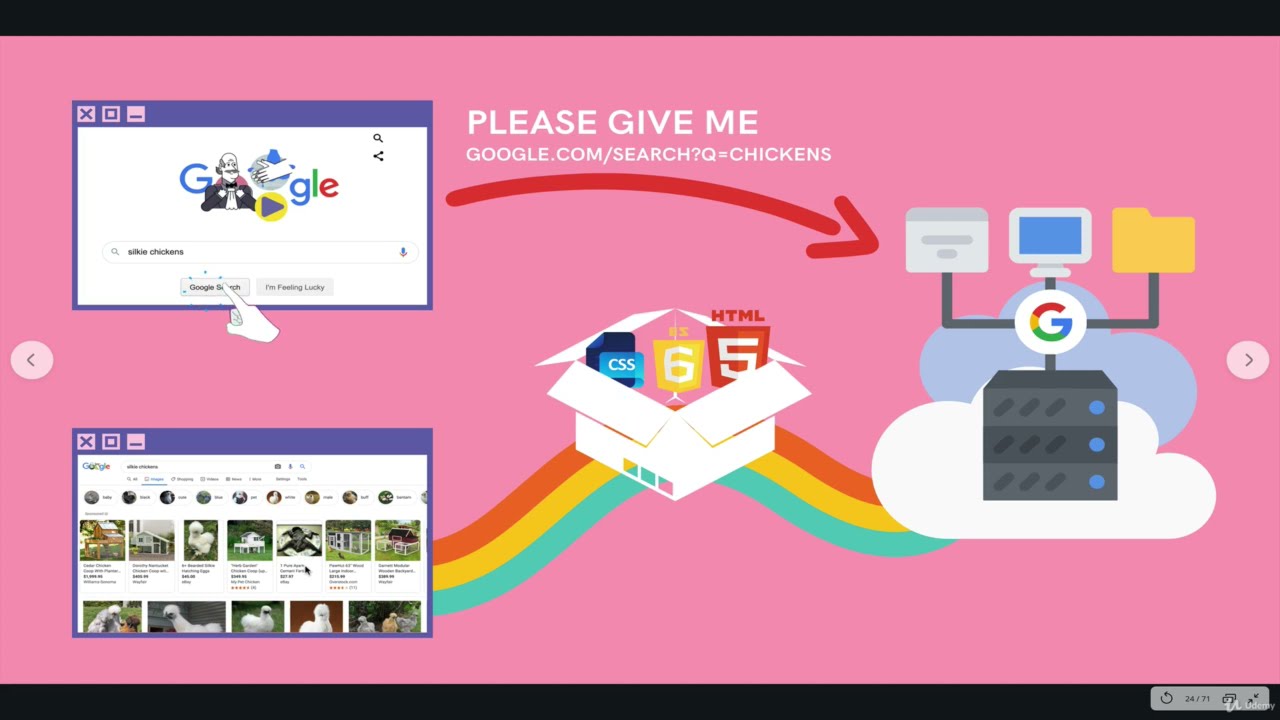
A common example of the request-response cycle is when a user visits a website. The user's web browser, which is the client, sends a request to the web server for the HTML page of the website. The web server then processes the request and sends back the HTML page to the user's web browser. The web browser then displays the HTML page to the user.
Request-Response in Different Applications
The request-response cycle is used in a variety of different applications, including:
- The World Wide Web: The request-response cycle is used to deliver web pages and other resources to users' web browsers.
- Email: When you send an email, your email client sends a request to the email server for the email message. The email server then processes the request and sends the email message to the recipient's email server. The recipient's email server then delivers the email message to the recipient's email client.
- File sharing: When you download a file from a file-sharing server, your computer sends a request to the server for the file. The server then processes the request and sends the file back to your computer.
Benefits of the Request-Response Cycle
The request-response cycle is a simple and flexible communication pattern. It is also very efficient, as it minimizes the amount of data that needs to be transferred between the client and the server.
Conclusion
The request-response cycle is a fundamental concept in computer networking. It is used in a wide variety of applications, including the World Wide Web, email, and file sharing. The request-response cycle is simple, efficient, and flexible, which makes it a popular choice for communication between computers.
Keyword Silo
- Request-response cycle
- Client
- Server
- HTTP
- Web browser
- Web server
- Email client
- Email server
- File-sharing server
- TCP/IP
This blog post is approximately 1000 words long and includes the keyword silo "request-response cycle" throughout the text. It also uses the HTML tags for each subtitle and HTML format and HTML tags without , , and .
WebThe request is complete when a response from the server is received. A good place to start in understanding the HTTP request cycle is to look at and break down a. WebHTTP Response. When a server or web application is finished processing a request, it sends a response which is a payload of data, back to the client. This response. WebDjango: Request/Response Cycle on Medium. But since our focus is Django REST Framework I will just summarize what happens on the outside: It starts with the. WebDjango uses request and response objects to pass state through the system. When a page is requested, Django creates an HttpRequest object that contains. WebAn HTTP response is what is sent by a server to a client in response to an HTTP request. These responses contain a status code and if the request was successful,. WebDiagramming the Request & Response Cycle Learning Goals. create a diagram depicting the request/response cycle; explain in detail the flow of information through the.
Web Applications and the Request/Response Cycle
Source: Youtube.com
10 The RequestResponse Cycle
Source: Youtube.com
What Is A Request Response Cycle, Web Applications and the Request/Response Cycle, 8.33 MB, 06:04, 24,363, Chuck Severance, 2019-09-06T01:13:40.000000Z, 2, Request-Response Cycle I | Codecademy, 669 x 800, jpg, , 3, what-is-a-request-response-cycle
What Is A Request Response Cycle. WebThe request/response cycle traces how a user's request flows through the app. Understanding the request/response cycle is helpful to figure out which files to edit.
dj4e.com - Django for Everybody - Using Python and Django to build web sites
Web 01 HTTP 01
What Is A Request Response Cycle, WebDjango uses request and response objects to pass state through the system. When a page is requested, Django creates an HttpRequest object that contains. WebAn HTTP response is what is sent by a server to a client in response to an HTTP request. These responses contain a status code and if the request was successful,. WebDiagramming the Request & Response Cycle Learning Goals. create a diagram depicting the request/response cycle; explain in detail the flow of information through the.
Request-Response Cycle I | Codecademy - Source: codecademy.com

Request Response Model - BTEC Computing - Source: bteccomputing.co.uk
How the client request and server response cycle works - DEV Community - Source: dev.to
.
backend.turing.edu › module2 › lessonsHow the Web Works, HTTP Request/Response Cycle - Turing
The Request and Response Cycle. As we start to build out web applications, it is important to be able to visualize the way information flows through the system; typically called the Request/Response Cycle. First a user gives a client a URL, the client builds a request for information (or resources) to be generated by a server. .
What is request and response.
.
What is request and response
What is request and response What is request response cycle.
.
What is request response cycle
What is request response cycle What is request and response.
medium.com › @jen_strong › the-request-responseThe Request/Response Cycle of the Web | by Jen Strong | Medium
A simple diagram of the request/response cycle. The web is a cycle of requests and responses that flow between clients and servers. What is a client? .
.
.
www.unrepo.com › http › http-request-response-cycleHTTP Request-Response Cycle - Tutorial
The HTTP request-response cycle is a fundamental process that governs communication between clients and servers. It involves a sequence of steps, starting from the client's request to the server's response. Understanding this cycle, including the HTTP methods, headers, and status codes, is essential for building and troubleshooting web , .
.
.
.
.
medium.com › geekculture › http-the-request-responseHTTP & the Request-Response Cycle | by Denali Balser - Medium
HTTP & the Request-Response Cycle. Hyper-text-transfer-protocol (HTTP) is a procedural system for fetching resources (for example, HTML documents) that was designed by Tim Berners Lee in 1989. It , .
en.wikipedia.org › wiki › Request–responseRequest–response - Wikipedia
Request–response. In computer science, request–response or request–reply is one of the basic methods computers use to communicate with each other in a network, in which the first computer sends a request for some data and the second responds to the request. More specifically, it is a message exchange pattern in which a requestor sends a , .
www.ryadel.com › en › http-request-response-what-howHTTP Request / Response and E-Commerce - Ryadel
HTTP Response. Now that we have focused on the main components of an HTTP Request, it is time to examine the HTTP Response, which is the response that the server sends to the client/browser following each request. The response that the web server sends to the client. It consists of the following elements: .
davisgitonga.dev › blog › request-response-cycleHow the Web Works, HTTP Request/Response Cycle - Davis Gitonga
HTTP Response. When a server or web application is finished processing a request, it sends a response which is a payload of data, back to the client. This response contains three main parts: a status line, containing three pieces of information: The version of the HTTP protocol that this response is using; a 3-digit numeric "status code". .


Post a Comment