
Introduction
An HTTP request header is a component of an HTTP request that contains additional information about the request. Request headers are used to provide the server with information about the client, the requested resource, and the desired response. Request headers can also be used to control caching, authentication, and other aspects of the HTTP communication.
Common Request Headers
Some of the most common request headers include:
- Accept: Specifies the media types that the client is willing to accept in the response.
- Accept-Encoding: Specifies the content encodings that the client is willing to accept in the response.
- Authorization: Contains the client's authentication credentials.
- Cache-Control: Specifies how the client wants the server to cache the response.
- Connection: Controls how the client and server communicate with each other.
- Content-Length: Specifies the length of the request body.
- Content-Type: Specifies the media type of the request body.
- Date: Specifies the date and time at which the request was sent.
- Host: Specifies the hostname of the server that the client is requesting the resource from.
- If-Modified-Since: Specifies the date and time since which the client wants the server to check if the resource has been modified.
- Referer: Specifies the URL of the resource that referred the client to the current resource.
- User-Agent: Specifies the client's software, such as the web browser or operating system.
Benefits of Using Request Headers
There are several benefits to using request headers, including:
- Improved performance: Request headers can be used to improve the performance of HTTP communication by reducing the number of requests that need to be made. For example, the Cache-Control header can be used to tell the server to cache the response so that the client does not have to download it again if it has not been modified.
- Increased security: Request headers can be used to improve the security of HTTP communication by providing the server with information about the client that can be used to authenticate the client and prevent unauthorized access to resources. For example, the Authorization header can be used to send the client's authentication credentials to the server.
- Enhanced functionality: Request headers can be used to enhance the functionality of HTTP communication by providing the server with additional information about the client and the requested resource. For example, the Accept header can be used to tell the server what media types the client is willing to accept in the response, and the If-Modified-Since header can be used to tell the server to check if the resource has been modified since a certain date and time.
Examples of Request Headers in Use
Here are some examples of how request headers can be used in practice:
- A web browser might send a request header with the Accept header set to "text/html" and the Accept-Encoding header set to "gzip" when requesting a web page. This tells the server that the browser is willing to accept a response in HTML format and that it can encode the response using gzip compression.
- A mobile app might send a request header with the User-Agent header set to "Android 13" when requesting data from a server. This tells the server that the app is running on the Android 13 operating system.
- A web server might send a request header with the If-Modified-Since header set to the date and time that a resource was last modified when requesting the resource from another server. This tells the other server to check if the resource has been modified since that date and time. If it has not been modified, the other server can send a response with a status code of 304 Not Modified, which saves bandwidth and improves performance.
Conclusion
Request headers are an important part of the HTTP protocol. They provide the server with information about the client, the requested resource, and the desired response. This information can be used to improve the performance, security, and functionality of HTTP communication.
WebClient Request-header: These header fields have applicability only for request messages. Server Response-header: These header fields have applicability only for response messages. Entity-header: These header fields define meta information about the entity-body or, if no body is present, about the resource identified by the request. WebWhen a @RequestHeader annotation is used on a Map<String, String>, MultiValueMap<String, String>, or HttpHeaders argument, the map is populated with all header values. Built-in support is available for converting a comma-separated string into an array or collection of strings or other types known to the type conversion system. WebThis optional header field allows the client to specify, for the server's benefit, the address of the document (or element within the document) from which the URI in the request was obtained. This allows a server to generate lists of back-links to documents, for interest, logging, etc. It allows bad links to be traced for maintenance. WebAn HTTP request header is a component of a network packet sent by a browser or client to the server to request for a specific page or data on the Web server. It is used in Web communications or Internet browsing to transport user requests to the corresponding website's Web server. WebHTTP request header is the information, in the form of a text record, that a user's browser sends to a Web server containing the details of what the browser wants and will accept back from the server. The request header also contains the type, version and capabilities of the browser that is making the request so that server returns compatible ...
Learn in 5 Minutes: HTTP Headers (General/Request/Response/Entity)

Source: Youtube.com
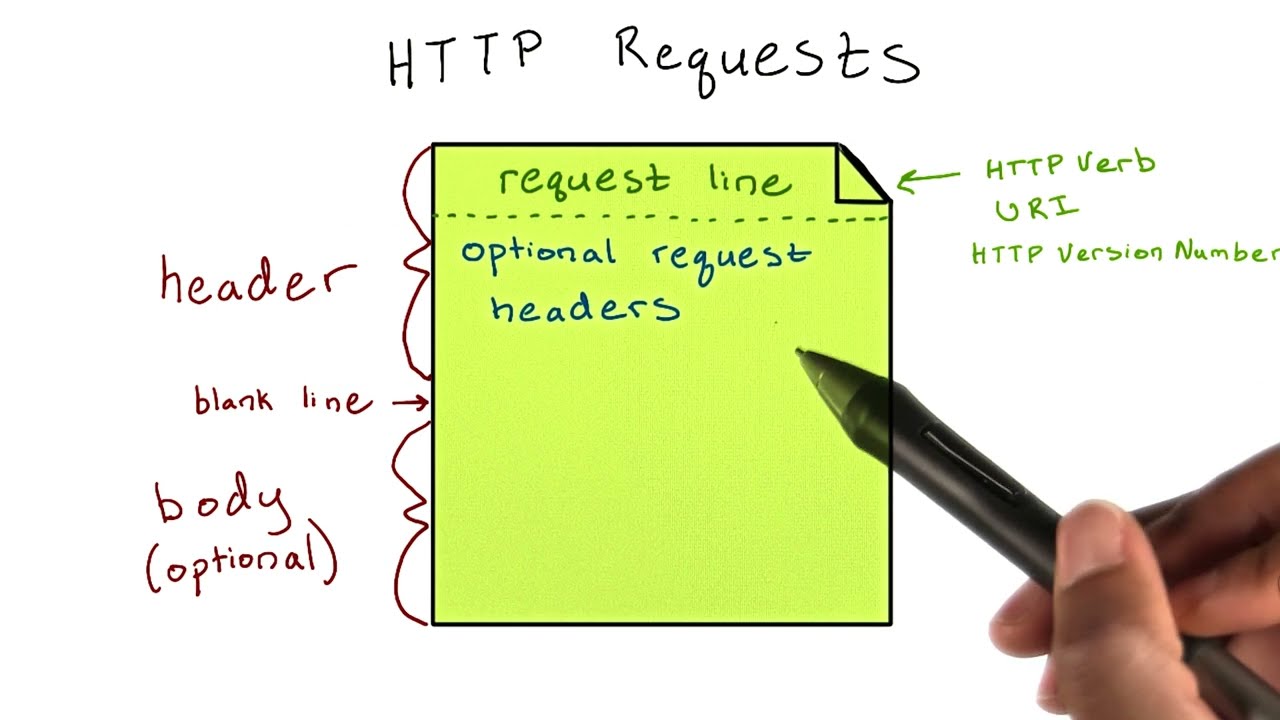
Parts of an HTTP Request
Source: Youtube.com
What Is A Request Header, Learn in 5 Minutes: HTTP Headers (General/Request/Response/Entity), 6.87 MB, 05:00, 36,752, SoftwareEngenius, 2020-07-31T16:00:01.000000Z, 2, HTTP-Header – What does that mean? What are request and response headers? - IONOS, 359 x 504, jpg, , 3, what-is-a-request-header
What Is A Request Header. WebHTTP headers let the client and the server pass additional information with an HTTP request or response. An HTTP header consists of its case-insensitive name followed by a colon (: ), then by its value. Whitespace before the value is ignored. WebThe HTTP headers are used to pass additional information between the clients and the server through the request and response header. All the headers are case-insensitive, headers fields are separated by colon, key-value pairs in.
Learn about different types of HTTP header, including request/response and entity headers. Have you ever wondered what ETags are for, or how Date is expressed in HTTP headers? Well, now you can, in under 5 minutes!
What Is A Request Header, WebAn HTTP request header is a component of a network packet sent by a browser or client to the server to request for a specific page or data on the Web server. It is used in Web communications or Internet browsing to transport user requests to the corresponding website's Web server. WebHTTP request header is the information, in the form of a text record, that a user's browser sends to a Web server containing the details of what the browser wants and will accept back from the server. The request header also contains the type, version and capabilities of the browser that is making the request so that server returns compatible ...
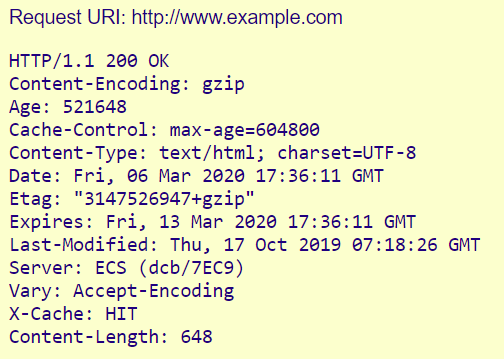
HTTP-Header – What does that mean? What are request and response headers? - IONOS - Source: ionos.com

HTTP Headers for Dummies | Envato Tuts+ - Source: code.tutsplus.com
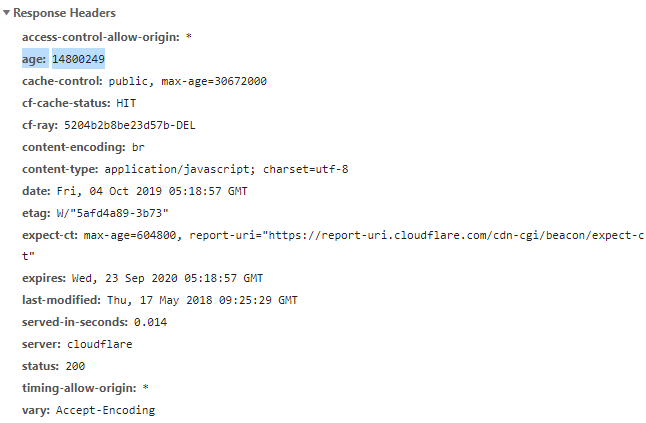
HTTP headers | Age - GeeksforGeeks - Source: geeksforgeeks.org
What is request header in api
What is request header in api What is a http header.
What is a http header
What is a http header What is a request header field.
What is a request header field
What is a request header field What is a request header in rest api.
.
What is a request header in rest api
What is a request header in rest api What is a request header.
.
What is a request header
What is a request header What is a request header in rest api.
What is request header authority medium.com › requestly › what-are-http-headersWhat are HTTP Headers & Understand different types of HTTP ...
What is request header authority HTTP Request Headers. These headers are sent by the client to the server to provide information about the request or the client itself. Some commonly used request headers include: What is request header in spring boot.
apidog.com › blog › what-are-http-headersWhat Are HTTP Headers? (A Comprehensive Guide)
HTTP headers are the unsung heroes of the World Wide Web. They are essential components of the HTTP protocol. In simple terms, HTTP headers are metadata that accompany every HTTP request and response, providing crucial information about the data being sent or received. When it comes to web development, there's a lot happening behind the scenes , What is request header authority.
.
.
.
www.w3.org › Protocols › HTTPRequest Headers in the HTTP protocol - World Wide Web ...
Referer: This optional header field allows the client to specify, for the server's benefit, the address ( ) of the document (or element within the document) from which the URI in the request was obtained. This allows a server to generate lists of back-links to documents, for interest, logging, etc. It allows bad links to be traced for maintenance. .
.
.
What is request header in spring boot blog.postman.com › what-are-http-headersWhat Are HTTP Headers? | Postman Blog
What is request header in spring boot The Content-Type response header is the counterpart of the Content-Type request header, as it indicates the type of data that the server is sending to the client. The header value typically includes the media type (such as text/html, application/json, image/jpeg, and audio/mp3), as well as any optional parameters. Cache-Control What is request header fields too large.
What is request header fields too large www.geeksforgeeks.org › http-headersHTTP headers - GeeksforGeeks
What is request header fields too large Access-Control-Request-Headers is a request-type header used by browsers that contains information about the different HTTP headers that will be sent by the client in the ensuing request. Whenever a client initiates a request to a server, the browser checks if the request needs a CORS preflight or not. In case a CORS preflight request is required, What is request header in postman.
What is request header in postman developer.mozilla.org › en-US › docsHTTP headers - HTTP | MDN - MDN Web Docs
What is request header in postman HTTP headers. HTTP headers let the client and the server pass additional information with an HTTP request or response. An HTTP header consists of its case-insensitive name followed by a colon (: ), then by its value. Whitespace before the value is ignored. What is request header too large.
What is request header too large developer.mozilla.org › Glossary › Request_headerRequest header - MDN Web Docs Glossary: Definitions of Web ...
What is request header too large A request header is an HTTP header that can be used in an HTTP request to provide information about the request context, so that the server can tailor the response. For example, the Accept-* headers indicate the allowed and preferred formats of the response. Other headers can be used to supply authentication credentials (e.g. Authorization), to control caching, or to get information about the , What is request header in api.


Post a Comment