

A request callback is a function that is passed as an argument to another function, which is expected to call back (execute) the argument at some convenient time. Callbacks are used to implement asynchronous programming, which allows code to continue executing while other tasks are running in the background. This can improve the performance and responsiveness of applications.
Callbacks are used in a wide variety of programming languages and technologies. For example, in JavaScript, callbacks are used to implement event handling, promises, and asynchronous HTTP requests. In Java, callbacks are used to implement asynchronous tasks, such as database queries and network requests.
Here is a simple example of a callback in JavaScript:
function myCallback() { console.log("The callback has been called!"); } function myFunction(callback) { console.log("Starting my function..."); setTimeout(function() { callback(); }, 1000); // 1 second } myFunction(myCallback); When the myFunction() function is called, it will immediately start executing. However, the myCallback() function will not be executed until the asynchronous task is complete. After 1 second, the setTimeout() function will call the myCallback() function.
Callbacks can also be used to pass data between functions. For example, the following JavaScript code uses a callback to pass the result of a database query to another function:
function myCallback(result) { console.log("The result of the database query is:", result); } function myFunction(callback) { setTimeout(function() { callback(["Alice", "Bob", "Carol"]); }, 1000); // 1 second } myFunction(myCallback); When the myFunction() function is called, it will immediately start executing. However, the myCallback() function will not be executed until the database query is complete. After 1 second, the setTimeout() function will call the myCallback() function, passing in the result of the mock database query.
Callbacks are a powerful tool for implementing asynchronous programming. They can be used to improve the performance and responsiveness of applications, and to pass data between functions.
Benefits of Using Request Callbacks
There are several benefits to using request callbacks:
- Improved performance: Request callbacks can improve the performance of applications by allowing code to continue executing while other tasks are running in the background. This can be especially beneficial for applications that need to respond to user input or perform other time-critical tasks.
- Increased responsiveness: Request callbacks can also increase the responsiveness of applications by preventing them from blocking while waiting for tasks to complete. This can make applications feel more fluid and responsive to users.
- Improved modularity: Request callbacks can be used to improve the modularity of code by allowing different parts of an application to be decoupled. This can make code easier to maintain and update.
- Increased flexibility: Request callbacks provide a flexible way to handle asynchronous tasks. This can be useful for implementing complex logic or integrating with third-party services.
Examples of Request Callbacks in Use
Request callbacks are used in a wide variety of applications and technologies. Here are a few examples:
- Web applications: Request callbacks are used in web applications to implement asynchronous HTTP requests. This allows web applications to respond to user input and perform other tasks without blocking.
- Mobile applications: Request callbacks are used in mobile applications to implement asynchronous tasks such as database queries, network requests, and geolocation lookups. This allows mobile applications to remain responsive and provide a good user experience.
- Desktop applications: Request callbacks are used in desktop applications to implement asynchronous tasks such as file operations and database queries. This allows desktop applications to remain responsive and provide a good user experience.
- Server-side applications: Request callbacks are used in server-side applications to implement asynchronous tasks such as processing user requests and sending email notifications. This allows server-side applications to handle a high volume of requests efficiently.
Best Practices for Using Request Callbacks
Here are a few best practices for using request callbacks
WebJavaScript Callbacks. A callback is a function passed as an argument to another function. Using a callback, you could call the calculator function ( myCalculator ) with a callback (. WebRequest Callback functions As we have seen in the previous chapters, the core part of the Library knows nothing about how to access, for example, a HTML document from a. WebCalling requestIdleCallback is very similar to requestAnimationFrame in that it takes a callback function as its first parameter: requestIdleCallback (. WebThe callback of a request is a function that will be called when the response of that request is downloaded. The callback function will be called with the. WebA callback function is a function passed into another function as an argument, which is then invoked inside the outer function to complete some kind of. WebThe window.requestIdleCallback () method queues a function to be called during a browser's idle periods. This enables developers to perform background and low.
What Is A Request Callback, Callbacks Explained Simply, 3.85 MB, 02:48, 100,706, bersling, 2017-05-21T22:09:11.000000Z, 2, Allow Your Website Visitors to Request a Callback - Adworx Digital, 524 x 491, jpg, , 3, what-is-a-request-callback
What Is A Request Callback. WebCallback interface for code that operates on a ClientHttpRequest. Allows manipulating the request headers, and write to the request body. Used internally by the RestTemplate, but also useful for application code. There several available factory methods:. WebOne part of my code is to make an HTTP request with an parameter which was defined before in the function and than write the response in to a new variable and.
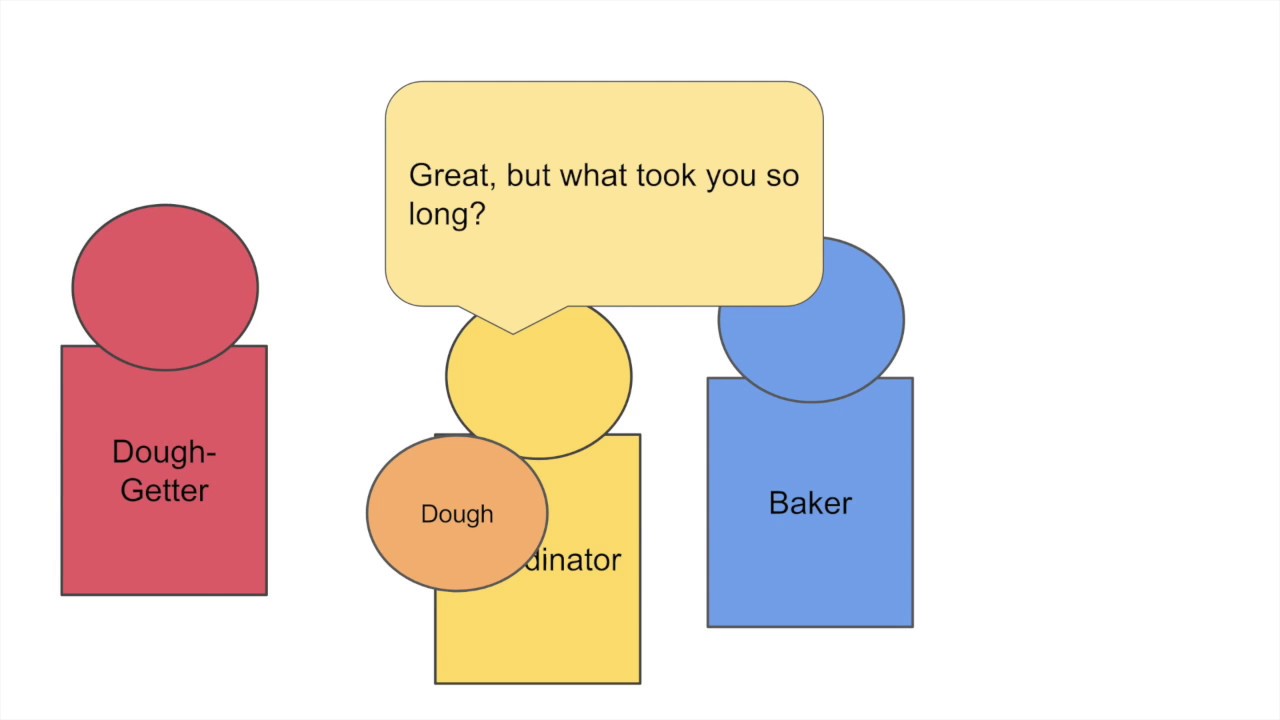
A non-technical explanation of callback functions.
What Is A Request Callback, WebThe callback of a request is a function that will be called when the response of that request is downloaded. The callback function will be called with the. WebA callback function is a function passed into another function as an argument, which is then invoked inside the outer function to complete some kind of. WebThe window.requestIdleCallback () method queues a function to be called during a browser's idle periods. This enables developers to perform background and low.
Allow Your Website Visitors to Request a Callback - Adworx Digital - Source: adworxdigital.com.au

How to Allow Your Website Visitors to Request a Callback - Source: elegantthemes.com

Call Back Request - SaleCycle - Source: salecycle.com
Call back or callback meaning.
Call back or callback meaning
Call back or callback meaning Is it callback or call back.
Is it callback or call back
Is it callback or call back What does request callback mean.
.
What does request callback mean
What does request callback mean What is a request callback.
.
What is a request callback
What is a request callback What does request callback mean.
www.five9.com › faq › what-is-a-callbackWhat is a Callback – What is a Callback in a Call Center ...
A callback is a request by a customer to have a customer service agent call them back. It is often part of a queue callback feature, where customers are provided the option to have an agent return their call – in the order it was received – rather than wait on hold on the phone. Requesting a callback is typically simple, involving a single , .
www.liveagent.com › customer-support-glossary › callbackCustomer Service Callback - What Is It & Why To Use It ...
A callback in customer service is a feature allowing customers to request a call back rather than waiting on hold. When a customer faces a long wait time, they can opt for a callback, so an agent contacts them once available. This improves customer satisfaction by minimizing wait times, reduces call abandonment, enhances efficiency, and can , .
.
developer.mozilla.org › Glossary › Callback_functionCallback function - MDN Web Docs Glossary: Definitions of Web ...
Callback function. A callback function is a function passed into another function as an argument, which is then invoked inside the outer function to complete some kind of routine or action. The consumer of a callback-based API writes a function that is passed into the API. The provider of the API (called the caller) takes the function and calls , .
.
.
.
.
medium.com › @rodcast › callbacks-understandingCallbacks — Understanding JavaScript API Requests and ...
A callback is a programming technique in which a function is passed as an argument to another function and is executed. , function is called with a URL argument to send an HTTP request to the ... .
dev.to › rodcast › callbacks-understandingCallbacks — Understanding JavaScript API Requests and ...
This technique is commonly used in asynchronous programming and event-driven programming, and the purpose of a callback is to allow a function to call back or notify the caller when it has completed a task or some operation. Callbacks are a powerful programming technique in JavaScript that allows for flexible and efficient asynchronous programming. .
stackoverflow.com › questions › 38854121What is a Callback API? - Stack Overflow
A Callback API is defined by the service calling the API. (Also referred to as a Webhook or Reverse API) e.g. When a Callback API is called, the responder must handle the request and provide a response that conforms to what the caller expects. .
stackoverflow.com › questions › 23347056terminology - What is a callback URL in relation to an API ...
the api works on your request for a certain amount of time; the api invokes your app to give you the results, at the callback url address. So you can invoke the api and tell your user the request is "processing" or "acquired" for example, and then update the status when you receive the response from the api. Hope it makes sense. -G .


 the argument at...)
Post a Comment