
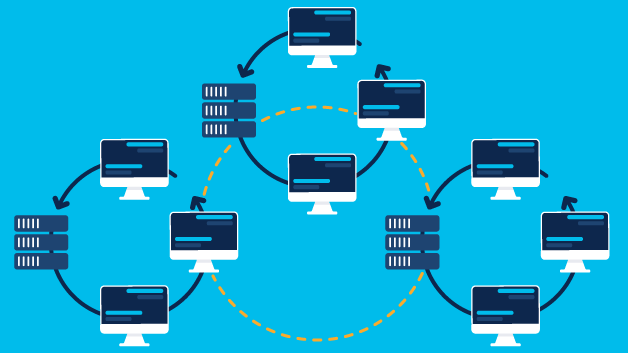
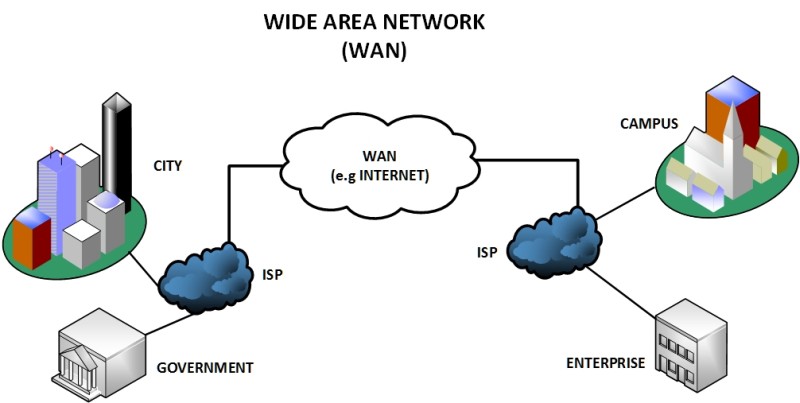
A wide area network (WAN) is a telecommunications network that extends over a large geographic area. WANs are often established with leased telecommunication circuits.
WANs are commonly used by businesses and organizations to connect their offices and other facilities in different locations. WANs can also be used to connect individuals to the Internet.
How do WANs work?
WANs work by using a variety of technologies to transmit data over long distances. These technologies include:
- Leased lines: Leased lines are dedicated telecommunication circuits that are rented from a service provider. Leased lines offer high bandwidth and low latency, making them ideal for WAN applications such as video conferencing and file sharing.
- Virtual private networks (VPNs): VPNs use encryption to create a secure tunnel over a public network such as the Internet. VPNs are a cost-effective way to connect remote users and offices to a WAN.
- Multiprotocol Label Switching (MPLS): MPLS is a packet-forwarding technology that is used by service providers to create high-performance WANs. MPLS networks offer high bandwidth, low latency, and traffic prioritization.
Types of WANs
There are two main types of WANs:
- Point-to-point WANs: Point-to-point WANs connect two specific locations, such as two offices or a data center and a cloud provider.
- Switched WANs: Switched WANs connect multiple locations to a central switch or router. Switched WANs are more complex than point-to-point WANs, but they offer greater flexibility and scalability.
Common WAN applications
WANs are used for a variety of applications, including:
- Email: Email is one of the most common WAN applications. WANs allow users to send and receive emails between different locations.
- File sharing: WANs allow users to share files between different locations. File sharing can be used to collaborate on projects, distribute documents, and backup data.
- Video conferencing: Video conferencing allows users to communicate with each other in real time using video and audio. WANs are necessary for high-quality video conferencing.
- Voice over IP (VoIP): VoIP allows users to make and receive phone calls over the Internet. WANs are necessary for VoIP calls between different locations.
- Cloud computing: Cloud computing allows businesses to access software and data over the Internet. WANs are necessary for businesses to connect to cloud computing providers.
Benefits of using WANs
WANs offer a number of benefits, including:
- Improved communication and collaboration: WANs allow users to communicate and collaborate with each other regardless of their location. This can lead to increased productivity and efficiency.
- Reduced costs: WANs can help businesses to reduce costs by centralizing IT resources and eliminating the need for multiple local networks.
- Increased flexibility and scalability: WANs offer greater flexibility and scalability than local networks. WANs can be easily expanded to add new locations or users.
Challenges of using WANs
WANs also present some challenges, including:
- Security: WANs can be vulnerable to security threats such as hacking and data breaches. Businesses need to implement appropriate security measures to protect their WANs.
- Cost: WANs can be expensive to implement and maintain. Businesses need to carefully consider their needs before deploying a WAN.
- Complexity: WANs can be complex to design and manage. Businesses need to have qualified IT staff to support their WANs.
Conclusion
WANs are a powerful tool that can help businesses to improve their communication, collaboration, and productivity. However, it is important to carefully consider the costs and challenges before deploying a WAN.
Keyword silo:
- Wide area network (WAN)
- WAN technology
- WAN benefits
- WAN challenges
- WAN types
- WAN applications
Example WAN use cases
Connecting branch offices
Businesses with multiple branch offices can use a WAN to connect their offices together. This allows employees at different locations to communicate and share data with each other.
Connecting to the cloud
Businesses can use a WAN to connect to cloud computing providers. This allows businesses to access software and data over the Internet.
Providing remote access
Businesses can use a WAN to provide remote access to their employees. This allows employees to work from home or from other remote locations.
Connecting to other businesses
Businesses can use a WAN to connect to other businesses, such as their suppliers or customers. This allows businesses to exchange data and collaborate on projects.
Connecting
WebA wide-area network (WAN) is a computer network that connects smaller networks. Since WANs are not tied to a specific location, they allow localized networks to communicate. WebA wide-area network (WAN) is the technology that connects your offices, data centers, cloud applications, and cloud storage together. It is called a wide-area network because it. WebWide area network (WAN) is defined as a connected collection of telecommunication networks that are distributed across a large geographic area.
What Is A Wide Area Network (wan), What is a WAN (Wide Area Network), 2.04 MB, 01:29, 39,919, Eye on Tech, 2019-12-13T15:00:11.000000Z, 2, What Is a WAN? Wide-Area Network - Cisco, 353 x 628, jpg, , 3, what-is-a-wide-area-network-wan
What Is A Wide Area Network (wan).
A WAN is one of the many technologies that sustain large organizations. Without WANs, or wide area networks, companies wouldn't be able to share resources across the country -- or even across the office building. Learn more about what WAN does and how it benefits companies.
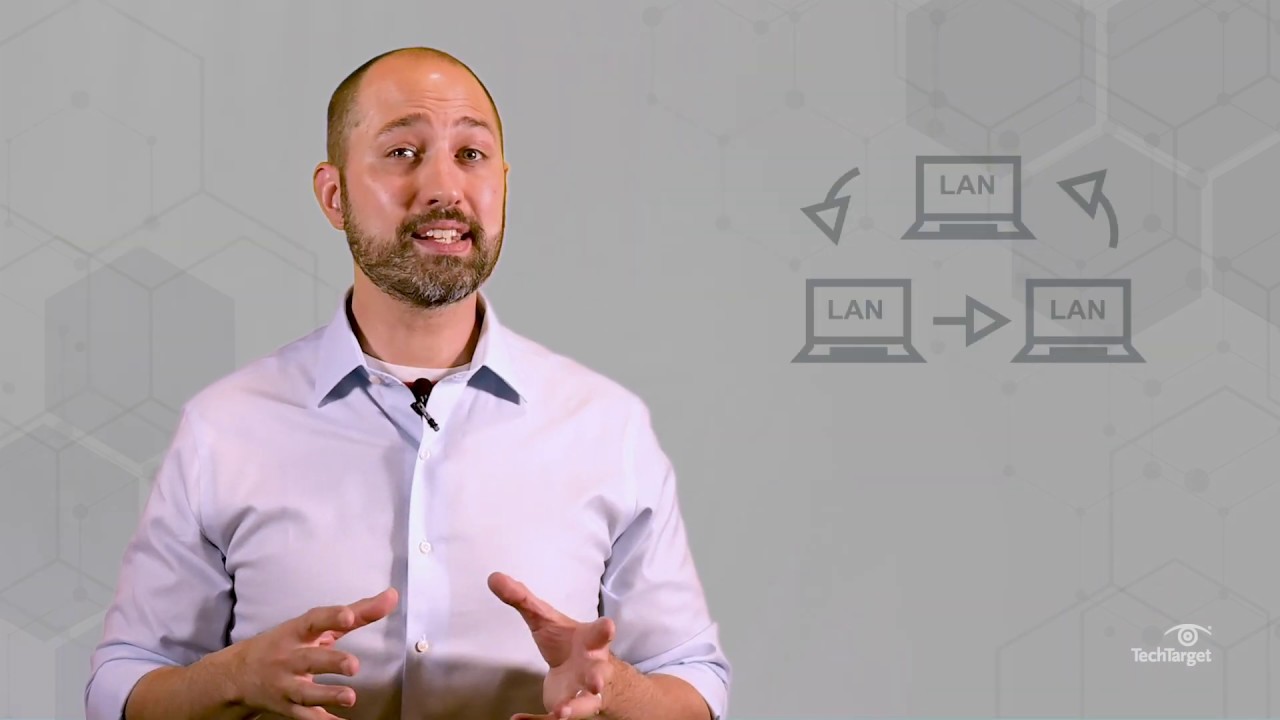
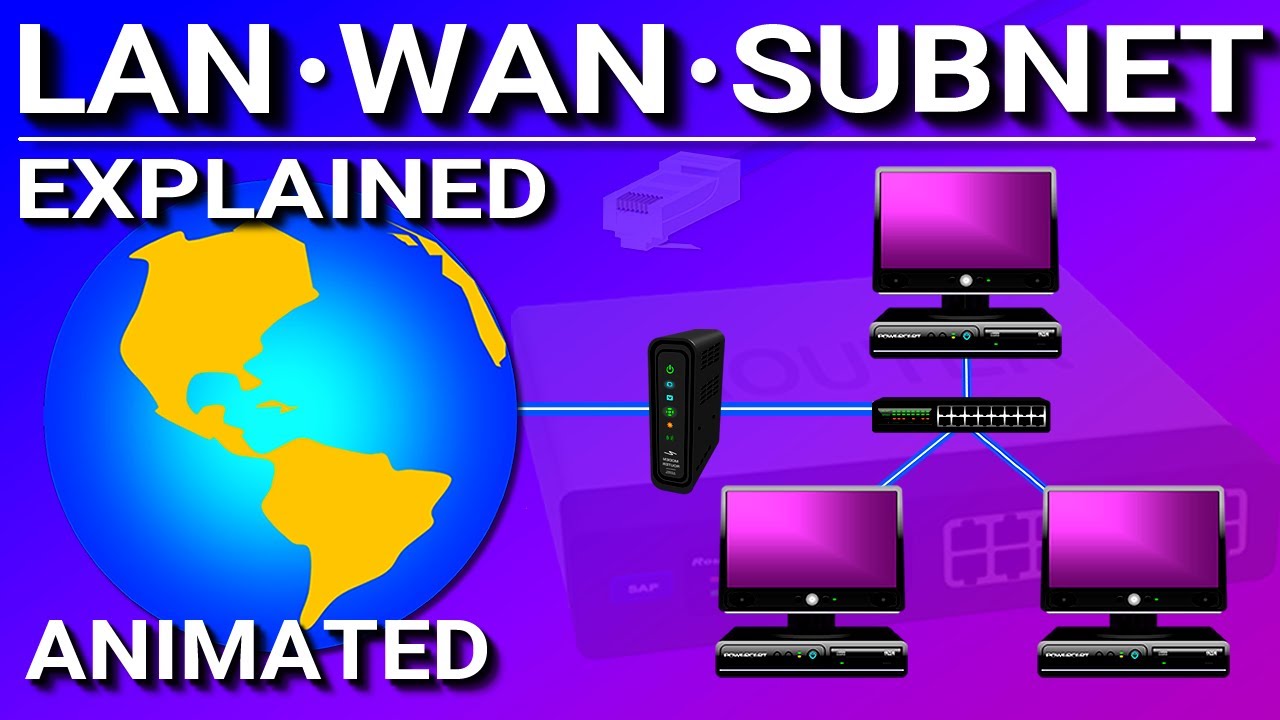
A wide area network, or WAN, connects multiple local area networks, or LANs. LANs are groups of computers and devices all connected to each other, but they're constrained by physical and geographic limits -- hence the name "local" area network.
WANs interconnect LANs, enabling shared access to applications, services, and resources without installing the same programs or software in multiple locations. WANs might consist of connections between company headquarters, branch offices, cloud services, and other facilities.
What is your organization's WAN strategy? Let us know in the comments below, and remember to hit the like button.
Read more about WAN: searchnetworking.techtarget.com/definition/WAN-wide-area-network/?utm_source=youtube&utm_medium=description&utm_campaign=UL_uh--LuAo&offer=video-UL_uh--LuAo
Subscribe to Eye on Tech for more videos covering the latest in business technology, including security, networking, AI, DevOps, enterprise strategy, storage, devices and more: youtube.com/EyeOnTech
Stay up to date on the latest networking news: searchnetworking.techtarget.com/
Follow us on Twitter: twitter.com/NetworkingTT
Like us on Facebook: facebook.com/searchnetworking/
#WAN #WideAreaNetwork #EyeOnTech
What Is A Wide Area Network (wan), WebA wide-area network (WAN) is the technology that connects your offices, data centers, cloud applications, and cloud storage together. It is called a wide-area network because it. WebWide area network (WAN) is defined as a connected collection of telecommunication networks that are distributed across a large geographic area.
What Is a WAN? Wide-Area Network - Cisco - Source: cisco.com
WAN Product Types Explained - Source: lightyear.ai
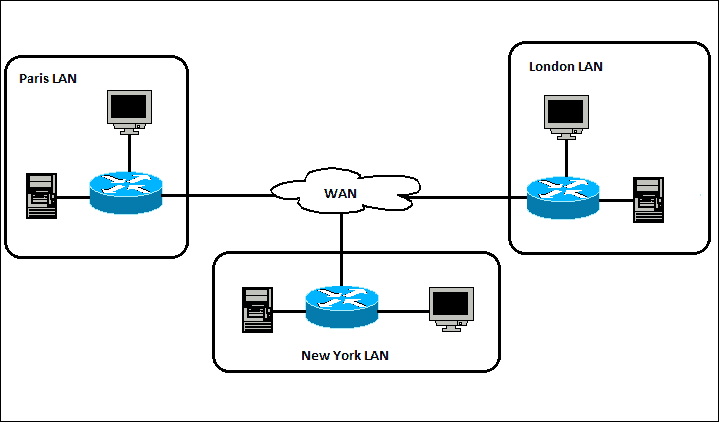
Wide area network - Source: study-ccna.com
What is meant by a wide area network (wan) www.cloudflare.com › network-layer › what-is-a-wanWhat is a WAN? | WAN vs. LAN | Cloudflare
What is meant by a wide area network (wan) A wide area network (WAN) is a large computer network that connects groups of computers over large distances. WANs are often used by large businesses to connect their office networks; each office typically has its own local area network, or LAN, and these LANs connect via a WAN. These long connections may be formed in several different ways , What is a wide-area network (wan) brainly.
What is a wide-area network (wan) brainly
What is a wide-area network (wan) brainly What is a wide area network (wan) ciw.
What is a wide area network (wan) ciw
What is a wide area network (wan) ciw What is a wide area network (wan) quizlet.
.
What is a wide area network (wan) quizlet
What is a wide area network (wan) quizlet What is a wide area network (wan).
.
What is a wide area network (wan)
What is a wide area network (wan) What is a wide area network (wan) quizlet.
aws.amazon.com › what-is › wanWhat is WAN? - Wide Area Network Explained - AWS
A wide-area network (WAN) is the technology that connects your offices, data centers, cloud applications, and cloud storage together. It is called a wide-area network because it spans beyond a single building or large campus to include multiple locations spread across a specific geographic area, or even the world. .
www.howtogeek.com › 362355 › what-is-a-wide-areaWhat Is A Wide Area Network (WAN)? - How-To Geek
Switching Hardware. A WAN, or "Wide Area Network," is a computer network designed to connect multiple smaller Local Area Networks (LANs). Your home network is your LAN, and it is connected to your neighbors over a WAN, often managed by your Internet Service Provider. You could think of the internet itself as one gigantic WAN. .
.
.
A wide area network (WAN) is a telecommunications network that extends over a large geographic area. Wide area networks are often established with leased telecommunication circuits. Businesses, as well as schools and government entities, use wide area networks to relay data to staff, students, clients, buyers and suppliers from various locations around the world. In essence, this mode of telecommu, Wikipedia .
www.fortinet.com › resources › cyberglossaryWhat is WAN? Wide-Area-Network Defined | Fortinet
A wide-area network (WAN) is a computer network that connects smaller networks. Since WANs are not tied to a specific location, they allow localized networks to communicate with one another across great distances. They also facilitate communication and the sharing of information between devices from anywhere in the world. .
.
.
en.wikipedia.org › wiki › Wide_area_networkWide area network - Wikipedia
A wide area network (WAN) is a telecommunications network that extends over a large geographic area. Wide area networks are often established with leased telecommunication circuits. Businesses, as well as schools and government entities, use wide area networks to relay data to staff, students, clients, buyers and suppliers from various , 30. what is the biggest wide area network (wan) in the world.
30. what is the biggest wide area network (wan) in the world www.cisco.com › c › enWhat Is a WAN? Wide-Area Network - Cisco
30. what is the biggest wide area network (wan) in the world Wide-Area Network. In its simplest form, a wide-area network (WAN) is a collection of local-area networks (LANs) or other networks that communicate with one another. A WAN is essentially a network of networks, with the Internet the world's largest WAN. Today, there are several types of WANs, built for a variety of use cases that touch virtually , Describe what is meant by a wide area network (wan).
Describe what is meant by a wide area network (wan) www.comptia.org › what-is-a-wide-area-networkWhat is WAN | Wide Area Network Definition | Computer ...
Describe what is meant by a wide area network (wan) A wide area network (also known as WAN), is a large network of information that is not tied to a single location. WANs can facilitate communication, the sharing of information and much more between devices from around the world through a WAN provider. WANs can be vital for international businesses, but they are also essential for everyday use , Which is true regarding a wide area network (wan).
Which is true regarding a wide area network (wan)
Which is true regarding a wide area network (wan) What is meant by a wide area network (wan).


 is a telecommunications network that extends over a large geographic area. WANs are often established with leased ...)
Post a Comment