
Good nutrition is essential for athletes of all levels, from recreational athletes to elite competitors. Eating a healthy diet helps athletes fuel their training and recovery, improve their performance, and reduce their risk of injury.
Athletes need more calories than sedentary people because they burn more energy through exercise. The number of calories an athlete needs will vary depending on their sport, training intensity, and individual metabolism. However, most athletes need to consume an additional 200-500 calories per day above their resting metabolic rate (RMR).
In addition to calories, athletes also need to make sure they are getting enough of the essential macronutrients: carbohydrates, protein, and fat.
- Carbohydrates are the body's main source of energy during exercise. Good sources of carbohydrates for athletes include whole grains, fruits, vegetables, and legumes.
- Protein is essential for muscle repair and growth. Good sources of protein for athletes include lean meat, poultry, fish, eggs, dairy products, and plant-based proteins such as tofu, tempeh, and lentils.
- Fat provides the body with long-lasting energy and is essential for hormone production and cell function. Good sources of fat for athletes include nuts, seeds, avocados, olive oil, and fatty fish such as salmon and tuna.
Athletes also need to make sure they are getting enough vitamins and minerals. Some of the most important vitamins and minerals for athletes include:
- Vitamin D: Vitamin D is essential for bone health and muscle function. Athletes can get vitamin D from sunlight, exposure, or from fortified foods such as milk, cereal, and orange juice.
- Iron: Iron is essential for carrying oxygen to the muscles. Athletes can get iron from lean meat, poultry, fish, beans, leafy green vegetables, and fortified cereals.
- Calcium: Calcium is essential for bone health. Athletes can get calcium from dairy products, leafy green vegetables, and fortified foods such as orange juice and soy milk.
Here are some additional tips for eating as an athlete:
- Eat regular meals and snacks throughout the day to keep your energy levels up.
- Choose nutrient-rich foods that will give you the energy you need to train and recover.
- Avoid sugary drinks and processed foods, which can lead to energy crashes.
- Stay hydrated by drinking plenty of water throughout the day, especially before, during, and after exercise.
Here is a sample meal plan for an athlete:
Breakfast:
- Oatmeal with berries and nuts
- Hard-boiled eggs
- Whole-wheat toast with peanut butter
Lunch:
- Salad with grilled chicken or fish
- Quinoa or brown rice
- Steamed vegetables
Dinner:
- Salmon with roasted vegetables
- Quinoa or brown rice
- Sweet potato
Snacks:
- Fruits and vegetables
- Yogurt
- Nuts and seeds
Athletes should also tailor their diet to their specific sport and training needs. For example, endurance athletes may need to consume more carbohydrates than athletes who participate in shorter, more intense sports. Athletes who are trying to lose weight or gain muscle may also need to make adjustments to their diet.
If you are an athlete, it is important to consult with a registered dietitian or sports nutritionist to develop a personalized meal plan that meets your individual needs.
Subtitle 1: The Importance of Nutrition for Athletes
Nutrition is essential for all athletes, regardless of their sport or skill level. Eating a healthy diet helps athletes fuel their training and recovery, improve their performance, and reduce their risk of injury.
When athletes exercise, their bodies burn energy from carbohydrates, protein, and fat. Carbohydrates are the body's main source of energy during exercise, while protein is essential for muscle repair and growth. Fat provides the body with long-lasting energy and is also important for hormone production and cell function.
In addition to calories and macronutrients, athletes also need to make sure they are getting enough vitamins and minerals. Some of the most important vitamins and minerals for athletes include vitamin D, iron, and calcium.
Subtitle 2: What Nutrients Do Athletes Need?
Athletes need a variety of nutrients to support their training and performance. The most important nutrients for athletes include:
- Carbohydrates: Carbohydrates are the body's main source of energy during exercise. Good sources of carbohydrates for athletes include whole grains, fruits, vegetables, and legumes.
- Protein: Protein is essential for muscle repair and growth. Good sources of protein for athletes include lean meat, poultry, fish, eggs, dairy products, and plant-based proteins such as tofu, tempeh, and lentils.
- Fat: Fat provides the body with long-lasting energy and is essential for hormone production and cell function. Good sources of fat for athletes include nuts, seeds, avocados, olive oil, and fatty fish such as salmon and tuna.
- Vitamins and minerals:
WebAthlete reactions to such discussion and advice varied from shock, worry about weight gain, to a moment of realisation whereby the athlete could not believe that. WebFeeding and Eating Disorders* / epidemiology. This article provides an overview of the nutrition requirements for athletes, and gives insight into why this is often an area of. WebA systematic review [ 60] of risk factors for eating psychopathology included a study which examined the relationship between gender, type of sport ("lean" vs. "non. WebIdentification, evaluation and management of disordered eating (DE) is complex. DE exists along the spectrum from optimised nutrition through to clinical eating disorders (EDs).. WebDE encompasses symptoms of dysfunctional eating patterns such as fasting, dieting, vomiting, over-eating, binge eating and use of laxatives and/or diet pills . In. WebThe Athlete Nutrition Development Approach outlining a three-tiered approach that addresses the upstream determinants of eating behaviours (Tier 1), eating.
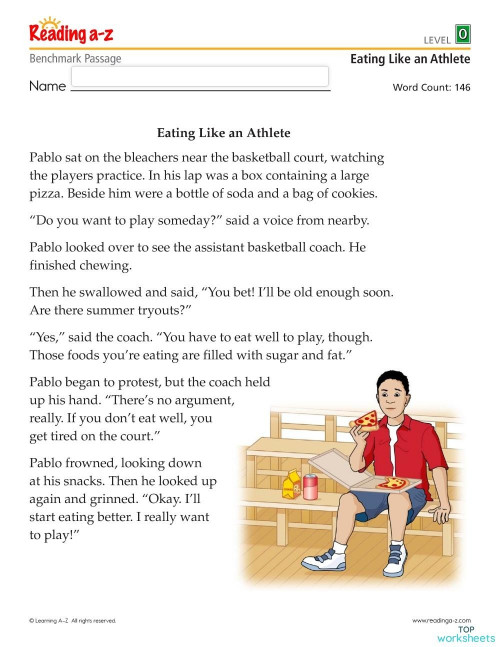
LEVEL O EATING LIKE AN ATHLETE. Interactive worksheet | TopWorksheets
Source: topworksheets.com
Book review: Eat Like An Athlete (Simone Austin) - Gaby Mora

Source: gabymora.com.au
Eat Like an Athlete eBook : Austin, Simone: Amazon.co.uk: Books
Source: Amazon UK
What Is The Text About Eating As An Athlete, How playing sports benefits your body ... and your brain - Leah Lagos and Jaspal Ricky Singh, 5.2 MB, 03:47, 2,060,357, TED-Ed, 2016-06-28T15:02:32.000000Z, 2, LEVEL O EATING LIKE AN ATHLETE. Interactive worksheet | TopWorksheets, topworksheets.com, 647 x 500, jpg, , 3, what-is-the-text-about-eating-as-an-athlete
What Is The Text About Eating As An Athlete. WebThe blood test showed a decrease in the level of food intolerance after the diet in each athlete, which indicated that the elimination diet significantly improved the. WebDisordered eating (DE) and eating disorders (EDs) are more prevalent in athletes than non-athletes, and can cause devastating health and performance.
View full lesson: ed.ted.com/lessons/how-playing-sports-benefits-your-body-and-your-brain-leah-lagos-and-jaspal-ricky-singh
Made in partnership with the Always #LikeAGirl campaign.
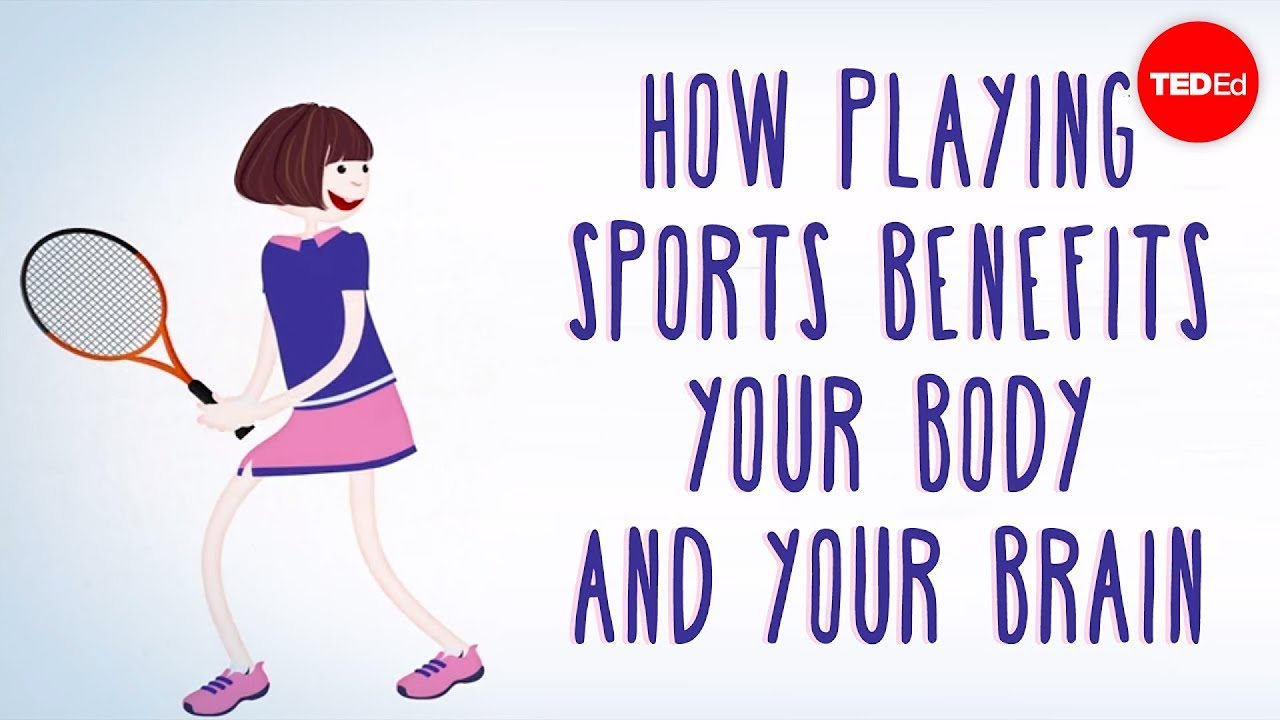
The victory of the underdog. The last minute penalty shot that wins the tournament. The training montage. Many people love to glorify victory on the field, cheer for teams, and play sports. But should we be obsessed with sports? Are sports as good for us as we make them out to be, or are they just a fun and entertaining pastime? Leah Lagos and Jaspal Ricky Singh show what science has to say on the matter.
Lesson by Leah Lagos and Jaspal Ricky Singh, animation by Kozmonot Animation Studio.
LEVEL O EATING LIKE AN ATHLETE. Interactive worksheet | TopWorksheets
What Is The Text About Eating As An Athlete, WebIdentification, evaluation and management of disordered eating (DE) is complex. DE exists along the spectrum from optimised nutrition through to clinical eating disorders (EDs).. WebDE encompasses symptoms of dysfunctional eating patterns such as fasting, dieting, vomiting, over-eating, binge eating and use of laxatives and/or diet pills . In. WebThe Athlete Nutrition Development Approach outlining a three-tiered approach that addresses the upstream determinants of eating behaviours (Tier 1), eating.
How playing sports benefits your body ... and your brain - Leah Lagos and Jaspal Ricky Singh
Source: Youtube.com
When eating too much makes you a professional athlete | Jim Gaffigan #shorts

Source: Youtube.com
.
.
What are the dietary requirements for athletes.
.
What are the dietary requirements for athletes
What are the dietary requirements for athletes Eating as an athlete what is the text about.
.
Eating as an athlete what is the text about
Eating as an athlete what is the text about What are the dietary requirements for athletes.
.
sites.temple.edu › healthlessonplans › filesHealthy Eating For Athletes - Temple University Sites
"What is one word that comes to mind when thinking of healthy eating for a student athlete?" Healthy Eating Healthy Eating: eating a variety of foods that give you the nutrients you need to maintain your health, feel good, and have energy (Breast Cancer, 2020). .
.
.
.
.
.
.
www.trifectanutrition.com › blog › sports-nutritionSports Nutrition: Why You Should Be Eating Like An Athlete
Getting proper nutrition, athlete or not, requires the following: Get your calorie needs on point. Eat the right foods to fuel your needs. Calories supply the energy and fuel you need. Think of it as putting gas in your tank. Choosing the right type of gas, and the highest quality fuel could help you go further and faster. .
worldathletics.org › download › downloadA PRACTICAL GUIDE TO EATING AND DRINKING FOR HEALTH AND ...
Athletes also like to make different food choices, based in part on cultural and lifestyle issues, but perhaps more on personal taste preferences. Once nutritional goals are identified, each athlete must therefore devise an eating strategy to ensure that suitable foods are eaten in appropriate amounts at the right times to meet those goals. .
www.verywellfit.com › fitness-sports-nutrition-4157142An Overview of Sports Nutrition - Verywell Fit
Science recognizes sports nutrition and energy intake as the "cornerstone of the athlete's diet." What Is Sports Nutrition? Sports nutrition is the foundation of athletic success. It is a well-designed nutrition plan that allows active adults and athletes to perform at their best. .
www.medicalnewstoday.com › nutrition-for-athletesWhy is diet so important for athletes? - Medical News Today
Athletes may need to consider: their caloric needs macronutrient amounts and ratios meal and snack timings vitamins and minerals for recovery and performance hydration Tailoring these, .


Post a Comment