

The Importance Of Recycling
Recycling is the process of converting waste materials into new materials and objects. It is an alternative to conventional waste disposal that can save material and help lower greenhouse gas emissions. Recycling can benefit your community and the environment.
Why is recycling important?
Recycling is important because it helps to conserve our natural resources, reduce pollution, and save energy.
- Conserves natural resources: Recycling helps to conserve natural resources such as trees, water, and minerals. For example, recycling paper saves trees, recycling aluminum cans saves bauxite ore, and recycling plastic saves petroleum.
- Reduces pollution: Recycling helps to reduce air and water pollution. For example, recycling paper reduces the need to produce new paper from trees, which can help to reduce air pollution from pulp and paper mills. Recycling aluminum cans reduces the need to mine and process bauxite ore, which can help to reduce water pollution from bauxite mining.
- Saves energy: Recycling saves energy because it takes less energy to produce products from recycled materials than from virgin materials. For example, it takes about 95% less energy to produce aluminum cans from recycled aluminum than from bauxite ore.
Benefits of recycling
Recycling has many benefits for the environment, the economy, and society.
- Environmental benefits: Recycling helps to conserve natural resources, reduce pollution, and save energy.
- Economic benefits: Recycling creates jobs in the collection, processing, and manufacturing of recycled materials. It also saves money for businesses and consumers by reducing the need to purchase virgin materials.
- Social benefits: Recycling helps to create a cleaner and healthier environment for everyone. It also helps to raise awareness of environmental issues and encourage people to live more sustainable lifestyles.
How to recycle
Recycling is easy to do. Most communities have curbside recycling programs that collect recyclable materials from homes and businesses. You can also drop off recyclable materials at recycling centers or community events.
To recycle, simply separate your recyclable materials from your trash and place them in your curbside recycling bin or take them to a recycling center. Be sure to check with your local recycling program to see what materials are accepted and how to prepare them for recycling.
What materials can be recycled?
A wide variety of materials can be recycled, including paper, cardboard, metal, plastic, glass, and batteries. Check with your local recycling program to see what materials are accepted.
Tips for recycling
Here are some tips for recycling:
- Rinse out food and beverage containers: This helps to prevent contamination of other recyclable materials.
- Remove labels from plastic containers: This is not always necessary, but it can help to improve the quality of the recycled plastic.
- Flatten cardboard boxes: This helps to save space in your recycling bin.
- Break down large items: This helps to ensure that all of the recyclable material is collected.
- Recycle batteries separately: Batteries contain hazardous materials that should be disposed of properly.
Conclusion
Recycling is an important part of protecting the environment. It helps to conserve natural resources, reduce pollution, and save energy. Recycling is also easy to do and has many benefits for the economy and society.
Keyword silo:
- recycling
- importance of recycling
- benefits of recycling
- how to recycle
- what materials can be recycled
- tips for recycling
HTML format and HTML tags without , and :
<h2>The Importance Of Recycling</h2> <p>Recycling is the process of converting waste materials into new materials and objects. It is an alternative to conventional waste disposal that can save material and help lower greenhouse gas emissions. Recycling can benefit your community and the environment.</p> <h3>Why is recycling important?</h3> <p>Recycling is important because it helps to conserve our natural resources, reduce pollution, and save energy.</p> <ul> <li>Conserves natural resources: Recycling helps to conserve natural resources such as trees, water, and minerals. For example, recycling paper saves trees, recycling aluminum cans saves bauxite ore, and recycling plastic saves petroleum.</li> <li>Reduces pollution: Recycling helps to reduce air and water pollution. For example, recycling paper reduces the need to produce new paper from trees, which can help to reduce air pollution from pulp and paper mills. Recycling aluminum cans reduces the need to mine and process bauxite ore, which can help to reduce water pollution from bauxite mining.</li> <li>Saves energy: Recycling saves energy because it takes less energy to produce products from recycled materials than from virgin materials. For example, it takes about 95% less energy to produce aluminum cans from recycled aluminum than from bauxite ore.</li> </ul> <h3>Benefits of recycling</h3> <p>Recycling has many benefits for the environment, the economy, and society.</p> <ul> <li>Environmental benefits WebWhile recycling is beneficial to the environment, it's more eco-friendly to avoid single-use items altogether. Instead, use reusable water bottles, utensils, coffee cups, tote bags,. WebRecycling requires more efforts where putting (un)used items into collection bins (either through commingle or source separation) is only a first stage of recycling. WebThis paper discusses the importance of recycling in Solid waste Management. Cities in the world are rapidly urbanising and rapid population increase, As world.
The Importance of Recycling - YouTube
Source: youtube.com
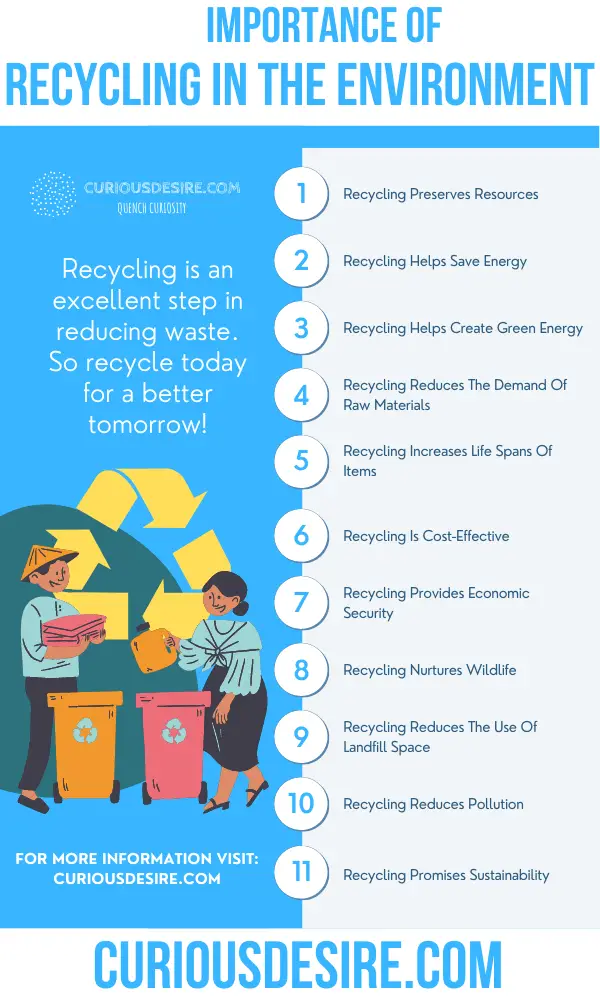
15 Reasons Why Recycling Is Important - Curious Desire
Source: curiousdesire.com
What is the importance of recycling – Times Glo-Intellect To Influence!

Source: timesglo.com
What Is The Purpose Of The Text The Importance Of Recycling, What is recycling Save Our Planet and Environment!, 2.93 MB, 02:08, 49,014, WHIZBUSTERS, 2020-07-07T13:30:01.000000Z, 2, The Importance of Recycling - YouTube, youtube.com, 360 x 480, jpg, , 3, what-is-the-purpose-of-the-text-the-importance-of-recycling
What Is The Purpose Of The Text The Importance Of Recycling. WebThe main challenges of recycling are lack of demand, lack of understanding the whole life cycle of the product and willingness to adopt the challenge of new hybrid materials or.
‼️💰FREE💰‼️ English Practice Tests 2000 Questions
whizbusters.teachable.com/p/english-vocabulary-practice-tests-free ***************************************************************************************************** Have you used a paper bowl or spoon at the cafeteria and saw a sign like this?
Or heard your friends and teachers talk about recycling your paper and plastics?
But what exactly is recycling?
#Recycling is a process where we convert and use waste materials into other reusable materials.
For example if we wrapped our shoe box and lid in decorative paper and then used it to store away our drawing materials, then we are recycling.
Did you know we can recycle plastic like soft drink bottles, glass bottles, jars like those of your favourite jams, and newspapers.
There are three R's of recycling:
Reduce - means using less. For example, purchasing your water bottle and refilling it and carrying it around with you
Reuse - means using it again, like trading in your used batteries and not throwing it away.
Recycle - means buying recycled products
Why do we need to recycle?
So we can reduce land, water and air #pollution on the planet and save lives of animals and #plants on earth.
So next time you drink from a plastic bottle, don't forget to put it into the recycling bin
To help recycle.
The Importance of Recycling - YouTube
What Is The Purpose Of The Text The Importance Of Recycling, WebThis paper discusses the importance of recycling in Solid waste Management. Cities in the world are rapidly urbanising and rapid population increase, As world.
What is recycling Save Our Planet and Environment!
Source: Youtube.com
Recycling Facts for Kids - Why is Recycling Important Recycling for Kids | Kids Recycling Facts
Source: Youtube.com
www.epa.gov › recycle › recycling-basicsRecycling Basics and Benefits | US EPA
Environment Recycling provides many benefits to our environment. By recycling our materials, we create a healthier planet for ourselves and future generations. Conserve natural resources: Recycling reduces the need to extract resources such as timber, water, and minerals for new products. .
.
.
.
.
.
.
friendsoftheearth.uk › 7-benefits-recycling7 benefits of recycling | Friends of the Earth
.
www.conserve-energy-future.com › why-is-recyclingWhat is Recycling and Why is Recycling Important?
" Recycling is the process of converting waste materials into reusable objects to prevent waste of potentially useful materials, reduce the consumption of fresh raw materials, energy usage, air pollution (from incineration) and water pollution (from landfilling) by decreasing the need for "conventional" waste disposal and lowering greenhouse gas, .
.
.
.
.
.
.
www.zmescience.com › why-is-recycling-so-importantWhy is recycling so important? The dirty truth behind our trash
.
www.greenmatters.com › p › why-is-it-important-toWhy Is It Important to Recycle? - Green Matters
Non-recycled waste can contribute to air pollution, water pollution, and put animal lives and human lives at risk. Alternatively, if we recycle, we can significantly reduce the amount of pollution our waste creates, according to Recycling-Guide.com. Article continues below advertisement .
.
www.conserve-energy-future.com › importance_ofImportance of Recycling and Why Should We Recycle
"Recycling is the process of collecting and processing materials that would otherwise be thrown away as trash and turning them into new products. Recycling can benefit your community and the environment." We Should Recycle Because Recycling: Helps in keeping the environment clean Reduces the amount of waste produced .


Post a Comment